CoolShaft™ and CoolDisc™ The Future of Every Electric Motor

Unlocking the Hidden Potential of Electric Motors without clean sheet design

Electric motors drive the future of mobility, but they are fundamentally constrained by heat buildup, which is the thermodynamic cost and size barrier.


Build up heat is often the fundamental bottle neck that controls the size and cost of conventional motors (95% of motors).  Hence efficient cooling is the key to enhance motors continuous power density.

We have invented the CoolShaft™ and CoolDiscTM, a breakthrough rotor and next-gen stator water-based cooling system that removes this bottleneck. It is designed to integrate seamlessly into existing electric motor architectures, CoolShaft™ enable 50+% more continuous power, together with CoolDiscTM this can increase to 70%,  which convert to 50% smaller and lighter motors, & unlocks the adoption of magnet less motor topologies. These are all without the need for a clean-sheet redesign.

Why Motors Are Bigger &
More Expensive Than They
Need to Be

Electric machines have come a long way in terms of efficiency and compactness, but one challenge persists is cooling.

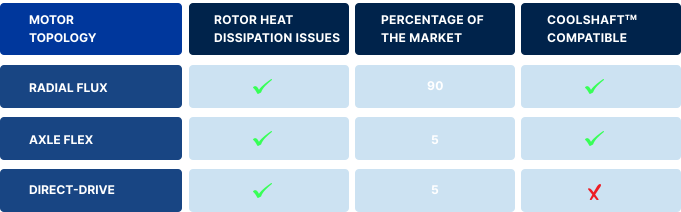
Today’s motors are sized not by their electromagnetic performance; their sizing depends on their inability to dissipate heat. This leads to oversized motors, excessive use of rare-earth magnets, and limited efficiency under real-world driving conditions. These issues persist at various degrees in all motor topologies.

Motor market & technology application

Heating limits continuous power. Continuous power is the most important aspect of a motor’s performance. That is why established, leading motor manufacturers quote the performance of their motors using continuous power.

Why Continuous Power Matters

Continuous power is the real measure of a motor’s capability. It defines how much power a motor can deliver over time, during sustained highway driving and freight hauling.

Unlike peak power, which lasts seconds,

continuous power defines the motor’s true utility in real-world conditions.


This is why motors today are oversized, overbuilt, and over-dependent on expensive rare-earth magnets. It is not because they need more torque, but because of their internal generated heat and its dissipation.

At Cooled Motors, we focused on the real problem, how to unlock continuous power by efficiently cooling the motor.


Delivering more continuous power requires the removal of the heat build-up, and today’s cooling strategies aren’t up to the task. While stators are commonly cooled with water jackets, rotors are left to passively shed heat through conduction and ambient airflow which is an inherently inefficient process, especially at high RPMs. This is due to the air gap between the rotor and the stator (rotor needs to be free to spin) acting like insulation.

At Cooled Motors, we believe the future isn’t about chasing attention-grabbing peak power figures it’s about delivering reliable, repeatable, high-performance continuous power. That’s why we built CoolShaft™ and CoolDisc™, cooling systems that enable smaller, more efficient, and more sustainable motors.

Why Other Cooling Methods Fall Short

Traditional Approach

This is the most common thermal management method which wraps the stator in a liquid-cooled jacket. Mmost all motors use this method which works well to cool the stator.

Pros: 

  • Low cost, easy to make and assemble
  • Use the car’s existing coolant circuit (Water-glycol mix)
  • Stator temperatures stay within safe limits (typically Class H, 170°C max). 
  • Sufficient for low power density motors.
  • It removes heat from the winding and stator core.

Cons: 

  • It is not sufficiently close to the winding (heat source).
  • Insufficient heat removal for power density required for modern EVs.
  • Has negligible cooling effect on the rotor.

A costly solution

Automatic Transmission Fluid (ATF) oil is used in some modern motors. The dielectric nature of the ATF allows a safe direct contact with the electric parts. Hence, using ATF to cool the motor through passing it over the stator surface, spray or dripping over the end-winding, and through the rotor shaft or rotor channels.

Pros:

  • ATF in direct contact with the winding and rotor, hence good heat removal.
  • ATF is a dielectric fluid, hence leakage does not pose operational issues.
  • Oil from the gearbox can easily be accessed in eAxles systems.

Cons:

  • Requires secondary ATF circuit which adds weight, size and cost.
  • Oil is viscous (20x water), meaning significant pressure drop, hence requiring large pumps and more pumping power that could go to the wheels.
  • Oil in the rotor causes friction (parasitic losses)
  • ATF is a poor heat transfer medium (250% less efficient than water), hence requiring high circulation rates, resulting in high pressure drop and power consumption.
  • Oil is hygroscopic (absorbs water) with reports of catastrophic corrosion failure. Specialist low hygroscopic oils are expensive.

Water-Based Cooling

Water is the cheapest, most efficient heat transfer medium. All vehicles come with a standard Water-ethylene glycol (WEG) cooling circuit; hence a single water-based cooling system is the most convenient and desirable approach for OEMs. A combined stator and rotor water cooling system CoolShaft and CoolDisc offer a superior alternative to ATF cooling.

Pros:

  • Best heat transfer system – cost vs efficiency.
  • Achieve direct contact with the heat source using CoolShaftTM & CoolDiscTM
  • Plug and play to the EV cooling circuit
  • No need for secondary cooling circuit, hence reducing the system weight, cost, efficiency and complexity.
  • Direct heat transfer from rotor and winding without the need for complex channels.
  • Applicable to most motors without the need for clean-sheet design.
  • Independent module, easing maintenance where high performance is required (defence).

Cons:

  • Requires integration into the motor assembly process

Coolshaft™ & CoolDisc™ - Water Cooling of Motors

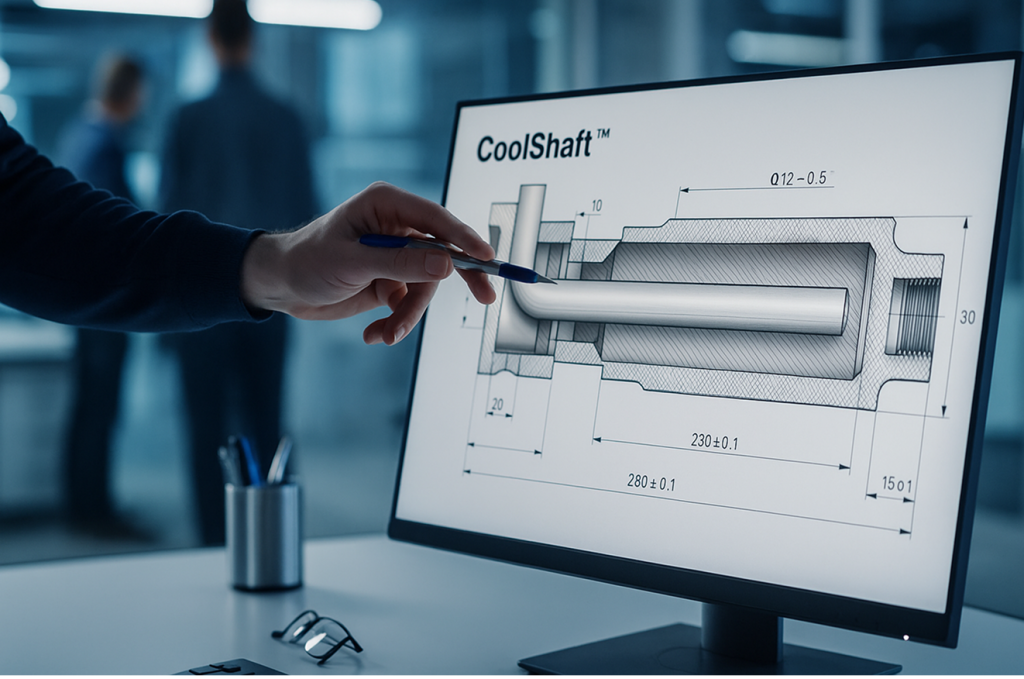
CoolShaft™ is the first complete water-based rotor cooling system that’s leak-proof, automotive-grade, scalable and production-ready. It is a much lower cost and more compact alternative to oil cooling, while superseding the performance of oil cooling. 

CoolShaft™ consists of an advanced multi-layer sealing, leak-proof under continuous high-speed rotation, aerospace-grade CFD-optimised flow paths for maximum cooling with minimal pressure loss, cross-industry expertise from oil & gas, aerospace, & automotive. Combined with the CoolDisc™, our next-gen water stator cooling system that works independently or together with the CoolShaft™ to eliminate the need for oil cooling.

Removing rotor heat is the heart of the continuous power limitation. With CoolShaft™ & CoolDisc™ you can have:

CoolShaft™ doesn’t just cool better. It solves the single biggest limitation in every electric vehicle motor today.

CoolDisc™ obliterates the need for de-rating . Together it eliminates the need for complex, expensive oil cooling while exceeding the performance of any current motor cooling technology

Measurable Gains, 
Maximum Impact

We have tested the CoolShaft™ and CoolDisc™ design with 20+ motor designs that are currently in vehicles in the market using industry standard multi-physics simulations with the following results: 

BMW i3 with CoolShaft™

When retrofitted with CoolShaft™, the i3 motor unlocked significant extra continuous power. The increase averaged around 30% around the ‘Zone of Interest’ (3000rpm to 8000rpm) and about 240% in the high-speed region above 8000rpm.

The rotor temperature dropped from an average of 130°C to 90°C, allowing for the magnet grade to be reduced by 2 grades. This in turns reduces the reliance on , one of the rarest of the rare earths.

The BMW i3’s stator temperature limit of 170 °C became the limiting factor with the CoolShaftTM.

This demonstrates how rotor thermal limitations, not electromagnetic constraints, are the true barrier to sustained motor performance.

A real Transformation 50% Smaller Motors Vehicle 
level transformation

CoolShaft™ and CoolDisc™ can reduce the cost of electric vehicles by up to 10%. It can also improve the overall performance of the vehicles.

This is how a 50% smaller motor translates into a vehicle-level transformation — one that improves performance, efficiency, and manufacturing flexibility all at once. CoolShaft™ & CoolDisc™ makes this possible by unlocking thermal headroom and eliminating the need to over-engineer motor volume for heat.

Why Motor Volume Reduction Is a Platform Gamechanger

A Key Enabler for Magnetless Motors

Built to Scale. Built for Now. 
Engineered for the future.

CoolShaft™ & CoolDisc™ are designed for fast adoption and global deployment.

Modular Design – Rapid Scaling

80%+ parts are common across different motor products

Plug-&-Play

Integrates into 95% of existing & future motor architectures

Manufacturing-Ready

No need for retooling. Compatible with standard casting and machining

 Beyond Passenger: Cross-Sector Applications

CoolShaft™ & CoolDisc™ go beyond traction motors in passenger electric vehicles. They can be used for vehicles as well as industrial applications.

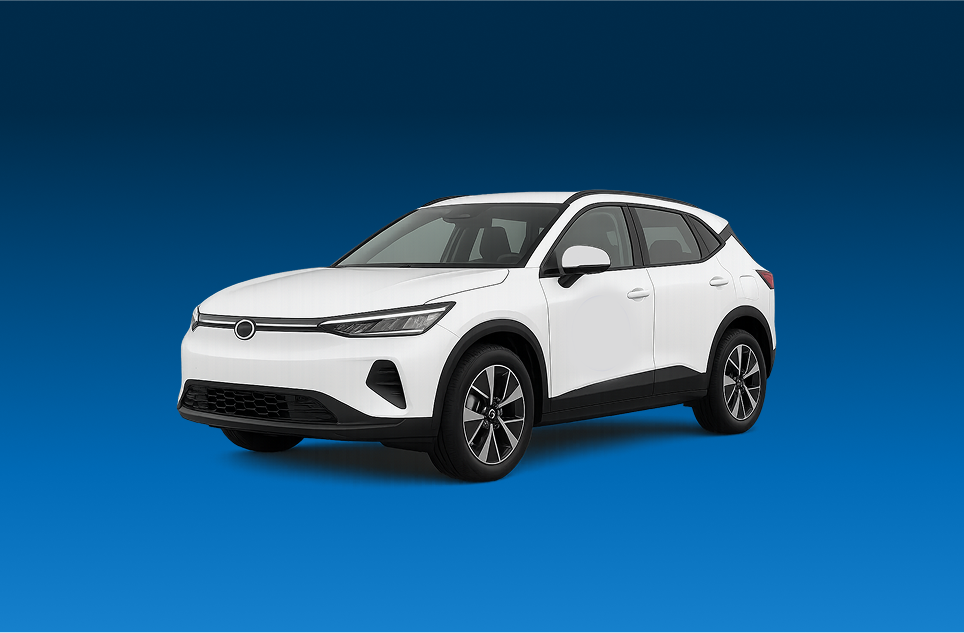
Conventional Electric Vehicles

Reduced costs, increased performance, smaller, lighter motors

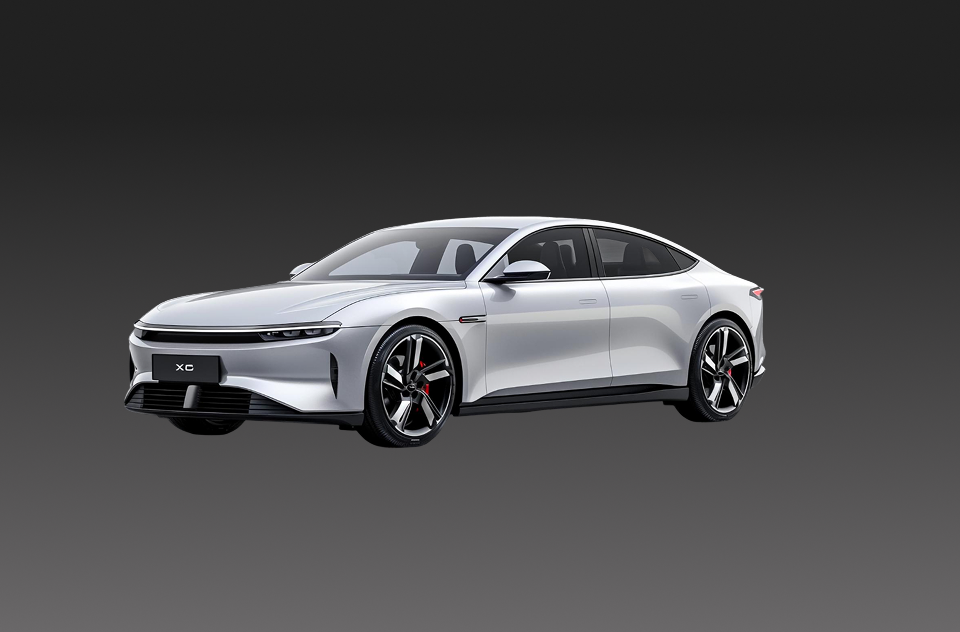
Hybrid Vehicles

Enables motor downsizing to fit existing engine bay constraints – hybrid without platform redesign

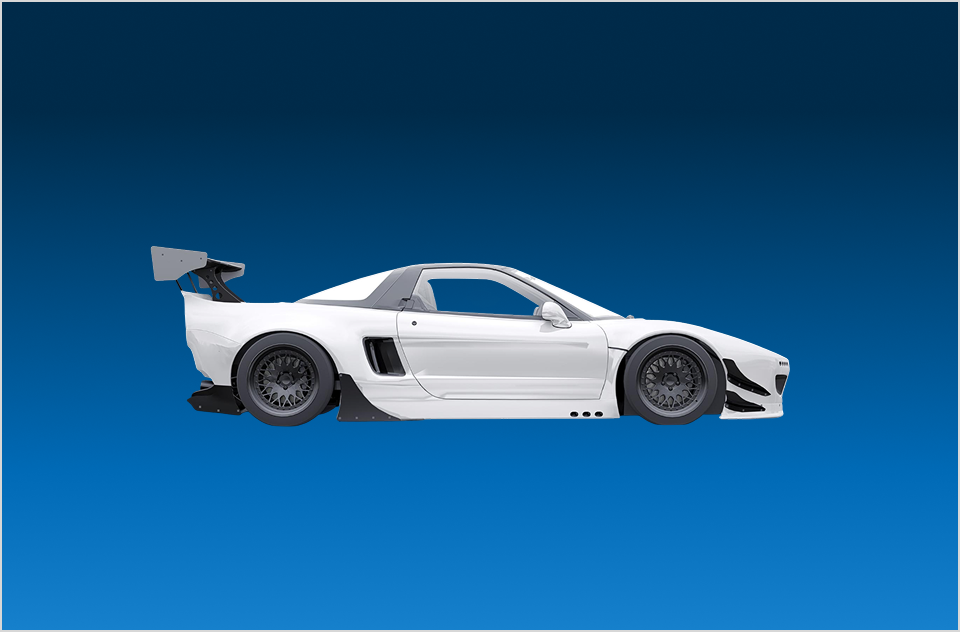
Performance Vehicles

50% more power using the same motor

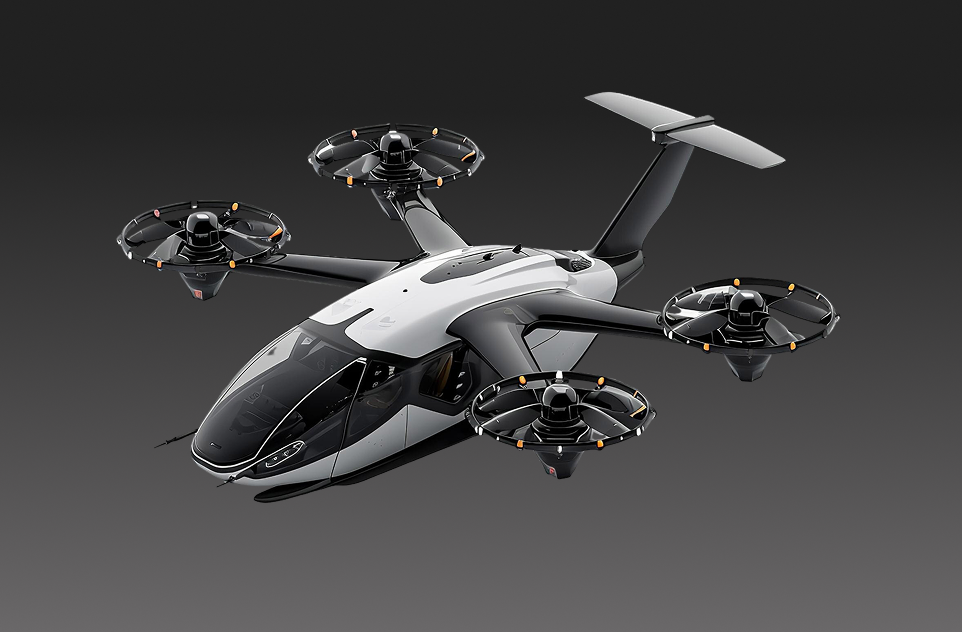
Air Taxis & eVTOL Drones

Reduce the wight and Size of Motors from air taxis and large drone – dual application

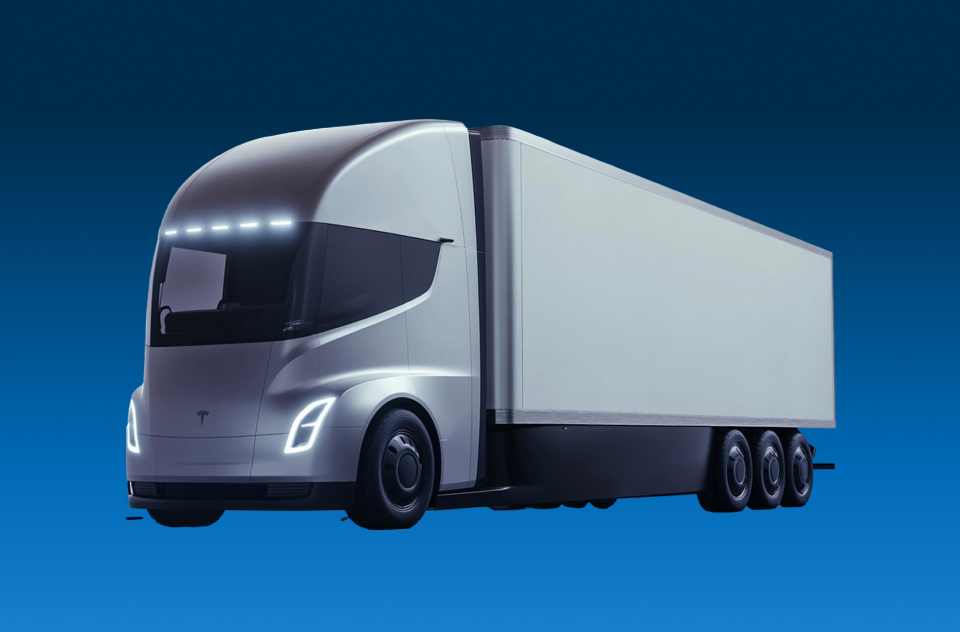
Heavy Duty Vehicles

More power or downsized motor for lower cost and more payload capacity

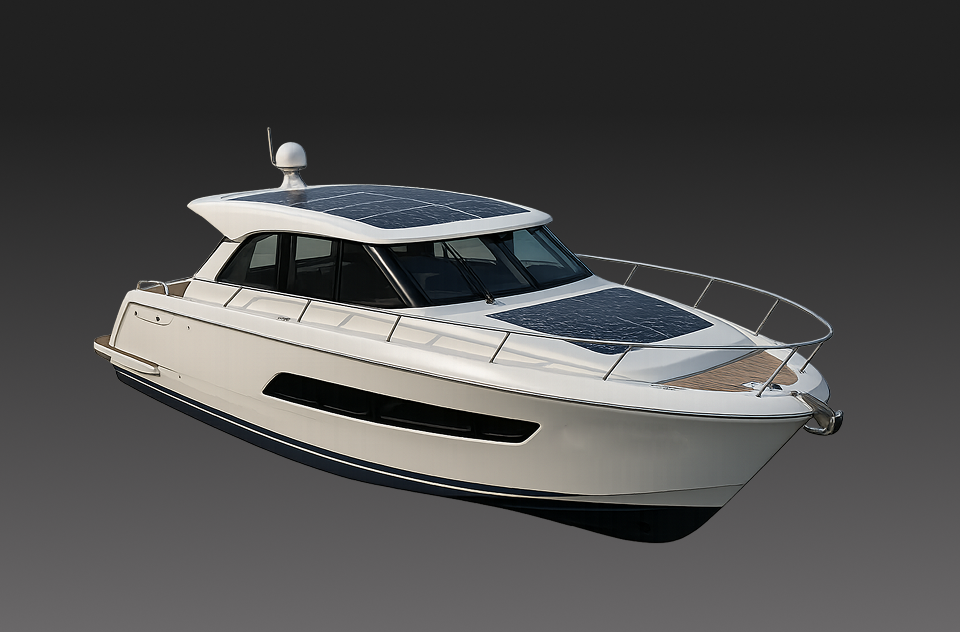
Electrified Marine Engines

Liquid cooled motors for maximum performance, compactness and reduced costs.

Wind Turbines

More compact, higher efficiency, cheaper generators using the CoolShaft™ technology.

Scalable Technology - Accessible To All - Unified BOM Architecture

Our cooling technologies unlock:


& a clear path toward next-generation, magnet-free electric motors

Interested in our Technologies?

Tell us a bit more…